Open a first aid kit from a building and construction ute, a household caravan, or an office boardroom, and you'll see the same style with wildly different execution: good purposes and combined usability. As trainers, we evaluate packages once a week during first aid courses and CPR training, and we see practically every challenge. Run out disinfectant. No gloves in the leading tray. A lots small glue strips, yet not a solitary injury dressing big enough for a severe cut. A "CPR mask" that's just a flimsy keyring shield, folded and stayed with itself.
The ideal kits are straightforward, acquainted, and refreshable. They're stocked for the setting you function or stay in. They consist of not just items, yet also structure: a clear format, a means to restock, and the self-confidence to use what's inside. Here's what experienced First Aid Pro fitness instructors suggest, along with the context that makes those recommendations practical in the field.
What a First Aid Set Is For
A first aid package acquires time and safety and security between the minute something fails and the moment a higher degree of care starts. It aims to quit bleeding, safeguard a respiratory tract, keep a person cozy, reduce infection risk, ease discomfort, and offer clarity in chaos. It does not change clinical care. Your ability matters as long as the gear, which is why a first aid course or a CPR course complements the box itself. In first aid and CPR courses, we train people to look previous clutter and pick the 1 or 2 products that will alter the result: a wound pad and plaster to control bleeding, a spacer for an asthma reducer, a properly made use of resuscitation mask throughout CPR.
The Core 4: What Professionals In Fact Get To For
When you see trained responders, patterns arise. During simulations in first aid training, these 4 groups represent the majority of actual use.
Bleeding control belongs at the top of the set. Medium and huge sterile wound dressings, crepe plasters, triangular bandages utilized as large pads, and natural plaster for secure stress all job. Glue strips are for the afterthought cuts, not the emergencies.
Hand and scene safety and security rides shotgun. Nitrile gloves, in greater than one dimension, should be obtainable with one hand. Include a small bottle or sachets of hand sanitiser and a couple of plastic waste bags. In a pinch, also a resealable freezer bag makes a safe disposal pouch.
Breathing assistance is small yet magnificent. A proper resuscitation mask with one‑way shutoff, not a paper-thin barrier, gains its spot. A spacer for reliever inhalers is worth its volume, since little kids and panicking grownups inhale medication far much better with a spacer. Some workplaces add a pocket oximeter, yet we treat it as nice to have. If it sidetracks you from the fundamentals, leave it out.
Protection and comfort stabilise the rest. Thermal coverings avoid shuddering and the slide into shock after blood loss or direct exposure. Salty ampoules clear grit from eyes and injuries. Non‑adherent dressings minimize pain when you later remove them. Paper tape that tears quickly saves time when your hands are wet, gloved, and shaking.
The Composition of a Well‑Organised Kit
A kit need to open flat. A clamshell or roll design that outlines areas aids you find gear without searching. Clear pockets reveal supply degrees at a glimpse. Labels assist, but only if they match your mental map. We educate a simple topography: bleeding left wing, breathing in the center, burns and cleaning on the right, gloves and PPE in advance. If you can open up the package and lay a hand on gloves and a compression pad with your eyes shut, you're doing it right.
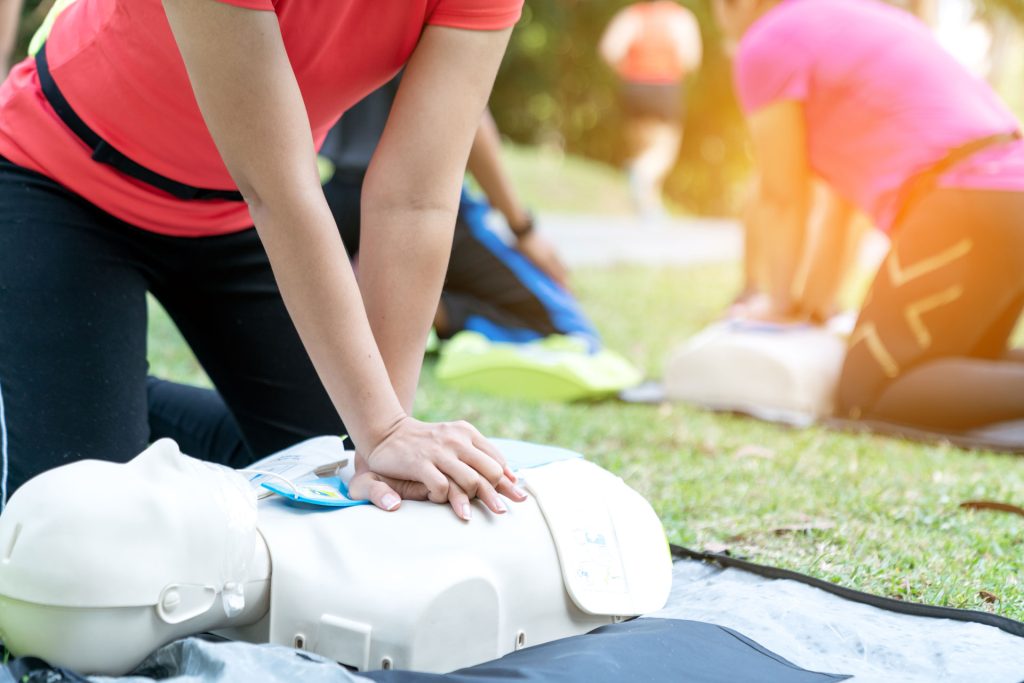
Weight and mass issue if your set travels. A tough situation safeguards contents in profession automobiles and boats. A soft pack experiences better in backpacks and personnel rooms. Dampness eliminates glue and paper product packaging, so if your setting is damp or damp, seal vital items in zip bags inside the major kit.
The package should inform you when it needs love. A straightforward laminated inventory card, marked with a whiteboard pen throughout restock, stops that guilty surprise during an actual event. Nothing undermines self-confidence like an empty space where the CPR mask used to be.
The Basics, Thing by Item
Gloves, nitrile, numerous sets. Latex causes concerns for CPR course near Sunshine Coast a minority of individuals and isn't worth the danger. Nitrile stands up to many oils and cleansers you locate on worksites. Carry a mix of dimensions. In training, we see rescuers tear tiny handwear covers at the cuffs, or skip handwear covers because they can not locate a dimension that fits. That's avoidable.
Resuscitation mask with one‑way valve. The inflexible dome keeps a seal on grown-up and child faces. Keyring shields have their place, however in practice they slide about and twist throughout real CPR. If you do regular CPR training or hold a present first aid certificate, spend a couple of bucks a lot more here.
Large sterile injury dressings, a number of sizes. Search for the combined pad-and-bandage loads created for high‑pressure wrapping. If your package just has small gauze squares, you'll waste time stacking them.
Crepe and cohesive bandages. Crepe offers stretch and pressure, natural hold on to itself and withstands sliding. Cohesive plaster shines over joints or in wet settings. Maintain least one vast roll for upper legs and shoulders.
Triangular plasters. Not just slings, they come to be stress pads, improvisated tourniquets, and head dressings. Cotton variations laundry and reuse in extended cases, while non‑woven kinds are portable and disposable.
Tourniquet, purpose‑built. If you work with machinery, heavy construction, or remote setups, this steps from optional to necessary. A windlass tourniquet put high and limited, videotaped with a time mark, saves lives. In typical city packages, it's still helpful, specifically if bleeding control training sustains it.
Sterile saline ampoules. Single‑use 15-- 30 mL vials fit eye flushes and wound waterings. Bottled saline jobs, but once opened it becomes a contamination threat. Ampoules stay clear of that compromise.
Non adherent dressings. Brands vary, the principle does not. Utilize them over grazes and burns to prevent sticking. Couple with gauze for absorbency if needed.
Adhesive strips and island dressings. Stock a small array, but do not let them crowd out more important products. Water-proof designs assist in cooking areas and pool environments.
Paper or hypoallergenic tape. You'll safeguard dressings quicker with a tearable tape you can control in gloves. Cloth tapes hold much better on sweaty skin, however they injure on elimination. Bring both if space allows.
Antiseptic wipes and gel. Wipes are for the area. Bottles leakage, lids fracture, and gels last longer and act much better. Lots of fitness instructors choose saline watering plus clean and sterile non‑adherent clothing for deeper wounds, with antibacterial booked for intact skin around the wound.
Burns dressings and hydrogel. For residential or friendliness setups, hydrogel dressings and a small bottle of gel are handy, however water is still first‑line. Cool running water for 20 mins, after that gown to secure. We see a lot of sets packed with hydrogel however no large plastic wrap or obstacle to maintain the injury tidy once cooled.
Thermal covering. Aluminum foil coverings consider nearly nothing and are invaluable for shock prevention or exposure. Maintain one in the front pocket.
Instant ice bags. Single‑use packs tame swelling, but they're hefty wholesale sets. In schools and sports clubs, they gain their keep. In remote kits, they add weight, so prepare for improvisated cool if water or ice will be available.
Shears and tweezers. Injury shears cut clothing and seatbelts without sharp points. Tweezers eliminate splinters and bee stingers. Store shears noticeably obtainable; you'll grab them under pressure.
CPR prompt card. Throughout a CPR refresher course, we educate a few easy lines to steady the mind. A small card with compressions-to-ventilations proportions, hand positioning, and defib prompts keeps you confident.
Notebook and pencil. When adrenaline runs, memory experiences. Note times, medications taken, observations. Pencils write on damp paper and do not fail if dropped.
Waste bags and biohazard bags. Colour matters less than availability. A bright bag near the front reminds you to manage your scene and get rid of safely.
Face shield or mask for obstacle security when handling coughs, throwing up, or nosebleeds. If you discovered first aid and CPR five years earlier, this may not have actually been stressed as much. It is currently. PPE supports you to maintain helping.
Hand sanitiser. Small, safe cap, alcohol‑based. Usage prior to and after handwear cover usage when soap and water aren't available.
Medications: When to Consist of and Just How to Govern
Personal medication stays individual. Epinephrine auto‑injectors, bronchial asthma relievers, and suggested heart sprays ought to travel with their proprietor and sit where they can grab them, not hidden 3 zips deep. An area kit in an institution or workplace could include a spacer and salbutamol under a created plan with team trained in its use. Laws differ by region, so this is a policy concern as long as a medical one.
Over the‑counter discomfort alleviation divides viewpoint. Paracetamol and advil minimize distress and aid with sprains or oral discomfort, but they create record‑keeping and permission issues. If your office includes them, established clear guidelines: inspect allergies, note dosage and time, and keep them in initial labelled packaging. Antihistamines help with light allergies and itchy bites, however they do not treat anaphylaxis. If your set consists of antihistamines, train personnel to acknowledge when they're suitable and when they are precariously insufficient.
A word on eye treatments beyond saline: decreases that assert to "lower soreness" are aesthetic and not first aid. For chemical splashes, the most effective therapy continues to be continuous watering with tidy water or saline while you arrange aid. In first aid courses we imitate this with time hints so -responders really feel the length of time 15 mins in fact is.
Burns Sets: Specialized but Simple
Cooled skin CPR Near Me Townsville initially, after that gown. That guideline outdoes every little thing. For many kitchens and workshops, the perfect burns component includes a timer or watch, hydrogel dressings for tiny burns when cooling down is total, non‑adherent dressings for protection, stick movie or tidy plastic to produce a barrier on huge limb burns, and a light crepe plaster to safeguard without stress. We discourage ointments or butter‑based items that trap heat or complicate later treatment. Hydrogel has a place after water air conditioning, particularly for tiny uneven burns in awkward spots.
AEDs and Your First Aid Kit
An automated exterior defibrillator is not inside a conventional kit, yet both are functionally connected. If your site has an AED, pack extra adult pads in a temperature‑appropriate storage and validate the battery expiry on your restock cycle. Throughout CPR training, we pierce the choreography: a single person gets and applies the AED while one more begins compressions. Your CPR courses should include exercise with the precise AED version you keep site. If you rotate versions between sites, include a fast reference picture card to your kit.
Customising to Your Environment
No one set fits all. A family members kit traveling with kids gains added saline, non‑adherent dressings, immediate cold packs, and a charitable roll of cohesive bandage that stays on wriggly limbs. A mtb package prioritises portable injury materials, watering, and sore avoidance. Hospitality setups lean into burns defense, blue metal‑detectable strips, and finger cots. Schools carry a throng of sticky strips, gloves in youngster and grown-up dimensions, and spacers for asthma.
Workplaces with high‑risk equipment require more durable bleeding control. We often suggest adding a 2nd tourniquet, haemostatic gauze if staff have actually been educated to apply it, and an additional pair of heavy shears. Remote settings transform the calculus again. If a rescue is 60 minutes away, include more of everything you anticipate to make use of in the first 20 minutes, because you will need to re‑dress and reassess. Battery‑powered headlamps become practical rather than optional when light fades prior to help arrives.
Common Challenges We See During Training
Too several small products that do not take on large problems. An overruning pocket of plasters looks comprehensive and conceals the truth that there's no large dressing for a severe laceration. Prioritise high‑impact gear first.
Expired fluids and adhesives. Antiseptic swabs and glue tapes do age out. Briny ampoules are marked plainly. Construct a quarterly or biannual restock routine, connected to something you already do, like fire drills or safety and security meetings.
No redundancy for must‑have items. One pair of handwear covers is an error, not a strategy. Maintain least 3 pairs near the front. Likewise, one big clothing is never enough.

The "secret module" issue. Pre‑built sets occasionally consist of unfamiliar things without instruction. If you don't acknowledge a thing, either train with it throughout a first aid course or remove it so it does not create doubt during an emergency.
Messy discussion after first use. Once a package gets torn apart throughout an occurrence, it frequently remains this way. Appoint restock as an obligation with a name and day. A clean set is a visible indicator that someone will have your back.
Using the Package Under Stress
In our programs, we remove the temptation to search. Action beats perfection. For a hefty hemorrhage, you don't need the exact "right" gauze, you need firm direct stress now. For a bronchial asthma strike, you don't require to dispute inhaler brand names, you require a reliever with a spacer and tranquil mentoring. Trainers at First Aid Pro hang around on scripting language in addition to strategy. Short, clear instructions peaceful a disorderly scene. "I'm going to take a look. Take a breath with me. In and out. Below's the spacer. 2 smokes. Ten breaths."
If you're brand-new to first aid and CPR, consider a CPR correspondence course every twelve month and a complete first aid and CPR course on a standard revival cycle determined by your market or regulator. Skills corrosion, and under pressure we are up to the degree of training, not rise to the degree of intention.
Restocking Without the Hassle
Treat your kit like a tool, not a prize. Maintain a basic log: date, things made use of, expirations checked, products changed. Lots of offices set a standing monthly or quarterly order for consumables: handwear covers, dressings, saline, tape. Tag the outside of the kit with the following assessment month so anyone can see it at a glimpse. If you're managing numerous sites or lorries, standardise package layouts so personnel can with ease find products throughout locations.
When to Update, Replace, or Split a Kit
A puffy zip and crammed pockets inform you a tale. If the kit protrudes, it possibly tries to offer way too many masters. Divide it: a portable grab‑and‑go permanently risks, a secondary bag for convenience items and small injuries. If the case is broken, the materials have actually been endangered by dirt and moisture. Replace the situation and audit the soft goods. Adhesive-backed things and paper‑wrapped dressings are first to fail in damp.
If your team finished a first aid course two or three years earlier and you have actually since included brand-new threats or transformed the job design, audit your package against those modifications. New equipment, more exterior job, or a longer ordinary rescue action time all argue for added blood loss control and thermal management.
A Practical Mini‑Checklist for the Front Pocket
- Nitrile gloves, a minimum of 3 pairs in blended sizes One way valve resuscitation mask Large wound clothing and natural bandage Thermal blanket Saline ampoules
Use this as the quick‑grab layer. Everything else can sit one zip deeper. If you can put a hand on these 5 items with your eyes shut, you have a useful kit.
Training Brings the Kit to Life
The most sophisticated kit is dead weight without confidence and muscle memory. First aid courses develop that. We educate not just what to utilize, however when to quit making use of something and intensify. In a CPR course you learn the rhythm that makes compressions efficient, and you really feel in your arms the distinction in between slow, shallow pushes and the firm, quick compressions that drive blood. In an innovative first aid and CPR course, situations with moulage and sensible time stress force you to make decisions with restricted equipment. Those experiences shape how you stock, preserve, and get from your package.
Certification matters because it maps to requirements and updates. Assistance develops. Ratios for CPR, ideal method for hemorrhaging control, the duty of tourniquets, and the specifics of asthma monitoring have actually all changed over the past years. An existing first aid certificate signals that your abilities and your set line up with today, not the past. For lots of experts, a CPR refresher course every twelve month keeps the important details fresh.
Final Thoughts from the Training Floor
We when analyzed 2 adjoining workshops. Both had cool green boxes installed to the wall. One box open up to heaps of similar small plasters and a dried‑out container of iodine. The other open up to 3 pairs of handwear covers on top, 2 big dressings, a natural plaster, a CPR mask, and a foil covering in the front sleeve. During a real-time drill, the difference showed in secs. The junior varsity had pressure on a hemorrhage and a telephone call placed prior to the first team finished spreading out products on the floor.

That edge isn't concerning cash. It has to do with purpose and follow‑through. Supply for the issues that kill or disable. Keep it basic and noticeable. Freshen it on a routine. Then purchase the skills via first aid training so you can grab the right tool without assuming. Whether you're restoring your first aid certificate, participating in a CPR training session with colleagues, or tipping https://firstaid000.au/ up to a full first aid and CPR course, let that learning shape what you lug. The ideal kit, in qualified hands, transforms panic into deliberate care.